Global food security is facing increasing pressure from climate change, population growth, water shortages, and disruptions to agricultural supply chains. Extreme weather events, including droughts, floods, and heatwaves, can damage crops, reduce agricultural productivity, and threaten the livelihoods of farming communities. These challenges are particularly significant in developing regions where agriculture remains an important source of employment and household income. International organizations, including the Food and Agriculture Organization of the United Nations, have emphasized the importance of agricultural innovation and climate-resilient farming systems in addressing these risks.
One important area of agricultural research involves developing crop varieties that can tolerate drought, heat, and other environmental stresses. Scientists are using conventional breeding techniques, genetic research, and improved agricultural management practices to strengthen crop resilience. Drought-tolerant varieties of maize, rice, wheat, and other staple crops may help farmers maintain production during periods of limited rainfall. However, the effectiveness of these varieties depends on local environmental conditions, soil characteristics, and farming practices. Agricultural researchers must therefore adapt solutions to the specific needs of different regions.
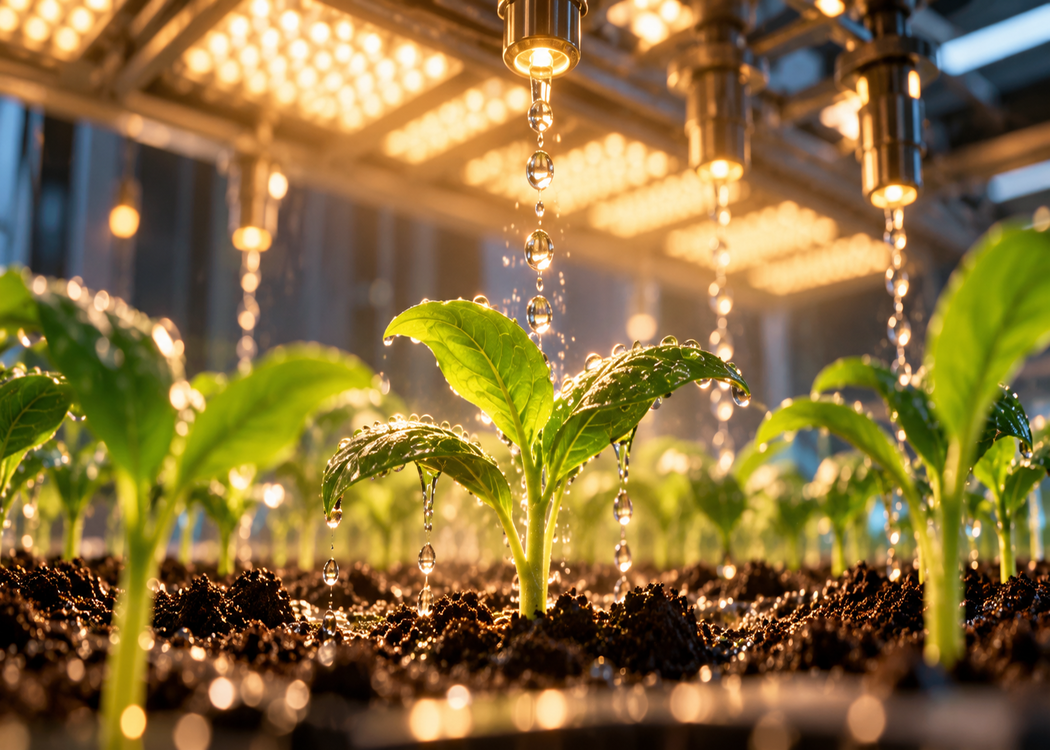
Precision farming technologies are also creating opportunities to improve agricultural efficiency. Farmers can use satellite imagery, soil moisture sensors, weather-monitoring systems, and automated irrigation equipment to make more informed decisions about crop management. These tools can help reduce unnecessary water consumption, improve fertilizer application, and identify potential problems before they cause significant crop losses. Vertical farming and controlled-environment agriculture offer additional possibilities for producing certain crops in urban areas or regions with limited agricultural land, although their energy requirements and operating costs remain important considerations.
Expanding agricultural innovation requires cooperation between governments, research institutions, international organizations, and farming communities. Smallholder farmers often face difficulties accessing modern equipment, financing, technical training, and reliable market information. Policies that improve agricultural education, rural infrastructure, and access to affordable technology can help ensure that innovations benefit a wider population. Sustainable food production will also require protecting soil quality, conserving water resources, and reducing environmental damage. Strengthening these areas can help countries develop agricultural systems that are more productive, resilient, and capable of meeting future food demand.
Sources: