Global investment in clean energy has expanded significantly as countries seek to reduce greenhouse-gas emissions, improve energy security, and modernize electricity infrastructure. According to the International Energy Agency’s World Energy Investment 2025 report, global spending on clean-energy technologies was projected to reach approximately US$2.2 trillion in 2025, compared with approximately US$1.1 trillion for fossil fuels. Clean-energy investment includes renewable power generation, electricity networks, energy storage, electrification, and other low-emission technologies. These figures demonstrate the increasing importance of cleaner energy systems within global infrastructure investment.
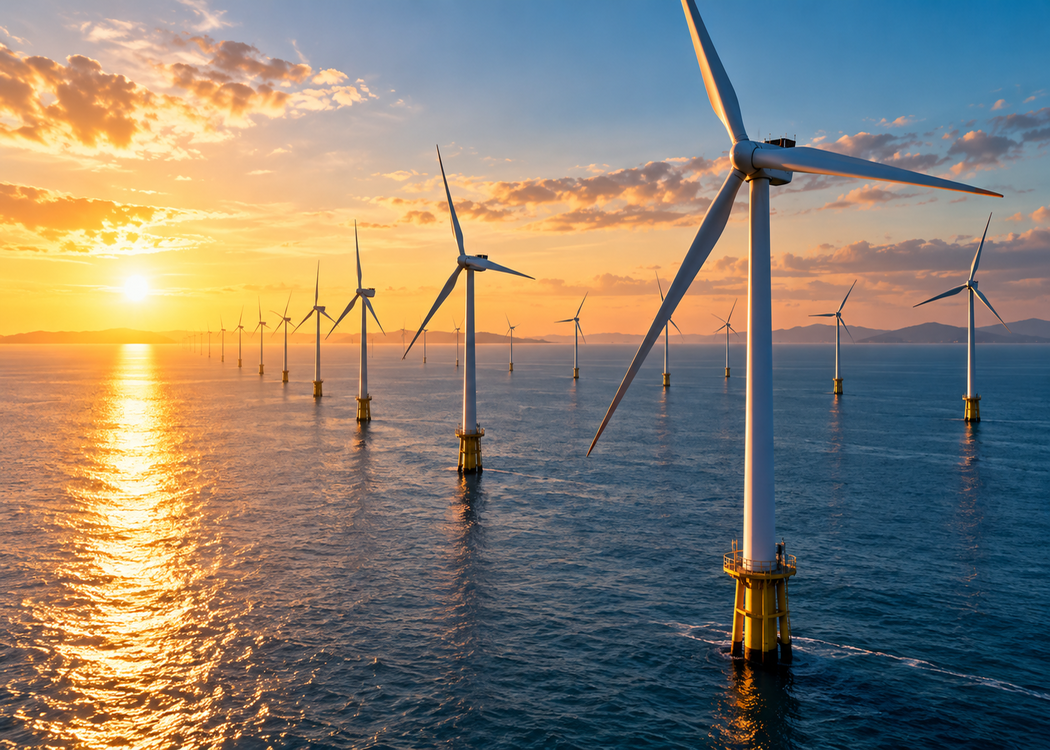
Solar energy has become one of the major drivers of renewable electricity expansion. Improvements in photovoltaic manufacturing, production efficiency, and installation methods have helped reduce costs and increase the competitiveness of solar power in many markets. Wind energy also continues to contribute to electricity generation, with both onshore and offshore projects being developed in suitable locations. Offshore wind farms can take advantage of strong and relatively consistent wind conditions, although their construction and maintenance can involve significant engineering challenges and financial costs. Together, solar and wind technologies are supporting efforts to diversify electricity supplies.
The expansion of renewable energy has also increased the importance of modern electricity grids and energy-storage systems. Solar and wind generation depend on weather conditions, meaning electricity production may not always match consumer demand. Battery storage, flexible electricity networks, and improved forecasting technologies can help manage these fluctuations and support reliable power delivery. Governments and energy companies are investing in transmission infrastructure to connect renewable projects with cities, industrial facilities, and other electricity consumers. Without sufficient grid capacity, renewable energy projects may face delays or limitations despite improvements in generation technology.
Although clean-energy investment continues to grow, the global energy transition still faces considerable challenges. Financing costs, regulatory uncertainty, infrastructure limitations, and differences in national energy policies can influence the pace of renewable deployment. Fossil fuels also remain important in transportation, manufacturing, and electricity generation in many regions. Nevertheless, increasing investment in clean technologies demonstrates that renewable energy and related infrastructure have become major components of long-term economic planning. Continued technological innovation, international cooperation, and supportive policy frameworks will be important in determining how quickly cleaner energy systems expand worldwide.
Sources: