GLOBAL PR NEWSROOM
    • GLOBAL PR NEWSWIRE
    • GLOBAL PR NEWSROOM
    • GLOBAL PR DISTRIBUTION
    • GLOBAL PR RESOURCES
  • Business
  • Technology
  • World
  • Science
  • Entertainment
  • More
    • HEALTH
    • OTHERS
    • ALL
  • No Result
    View All Result
  • Sign In
  • Sign Up
SUBMIT A STORY
GLOBAL PR NEWS NEWROOMS
    • GLOBAL PR NEWSWIRE
    • GLOBAL PR NEWSROOM
    • GLOBAL PR DISTRIBUTION
    • GLOBAL PR RESOURCES
  • Business
  • Technology
  • World
  • Science
  • Entertainment
  • More
    • HEALTH
    • OTHERS
    • ALL
  • No Result
    View All Result
  • Sign In
  • Sign Up
GLOBAL PR NEWS
No Result
View All Result
Home World

Deep-Sea Logistics and Canal Modernization Initiatives

by Jia Bao Chng
October 12, 2026
Reading Time: 2 mins read
0
Deep-Sea Logistics and Canal Modernization Initiatives

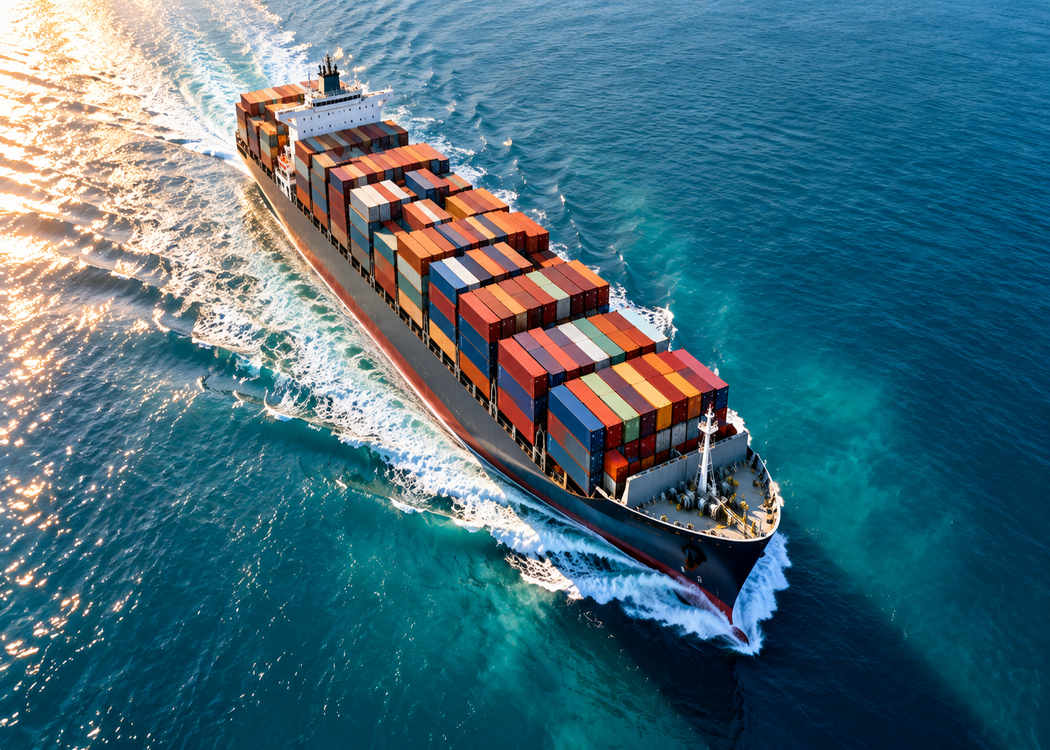
Global maritime transportation plays a critical role in international trade, carrying large quantities of manufactured goods, raw materials, agricultural products, and energy supplies between countries. Major shipping routes and canals, particularly the Panama Canal and Suez Canal, allow vessels to travel efficiently between important economic regions. However, disruptions caused by drought, geopolitical instability, port congestion, and changing trade patterns have highlighted the vulnerability of global logistics networks. These challenges have encouraged shipping companies and maritime authorities to reconsider how international cargo transportation can become more reliable and resilient.

The Panama Canal has experienced operational difficulties related to water availability, as its lock system depends on freshwater resources. Reduced rainfall and drought conditions can affect canal operations and restrict the number of vessels permitted to transit. Meanwhile, security concerns affecting the Red Sea have caused some shipping companies to avoid the Suez Canal route and redirect vessels around southern Africa. These diversions increase transportation distances, delivery times, and operating costs, creating additional pressure on global supply chains and businesses that depend on timely cargo shipments.

To address these challenges, maritime authorities and logistics operators are increasingly adopting digital technologies and infrastructure improvements. Advanced vessel-tracking systems, automated port-management platforms, and predictive analytics can help companies monitor cargo movements and anticipate delays. Improvements in terminal operations, cargo-handling equipment, and transportation connections may also increase efficiency. In addition, some regions are exploring alternative rail and road transportation links to provide greater flexibility when major maritime routes become disrupted.

The modernization of global logistics is also changing how businesses manage supply-chain risks. Companies are increasingly considering alternative suppliers, diversified transportation routes, and improved inventory planning to reduce dependence on individual shipping corridors. Although these strategies can increase certain operating costs, they may provide greater protection against unexpected disruptions. International cooperation between shipping companies, port authorities, governments, and logistics providers will remain essential. The future of maritime transportation will depend on combining efficient infrastructure, advanced digital systems, and flexible planning to support the continued movement of goods across global markets.

Sources:
  • International Chamber of Shipping
  • UNCTAD — Transport and Trade Logistics

RELATED NEWS

The Global Renewable Energy Milestone
World

The Global Renewable Energy Milestone

October 12, 2026

Global investment in clean energy has expanded significantly as countries seek to reduce greenhouse-gas emissions, improve energy security, and modernize...

Global Education Reform for the AI Era
World

Global Education Reform for the AI Era

October 12, 2026

The rapid advancement of artificial intelligence is creating new challenges and opportunities for education systems around the world. AI-powered tools...

Agricultural Innovation and Food Security Frameworks
World

Agricultural Innovation and Food Security Frameworks

October 12, 2026

Global food security is facing increasing pressure from climate change, population growth, water shortages, and disruptions to agricultural supply chains....

Next Post
Agricultural Innovation and Food Security Frameworks

Agricultural Innovation and Food Security Frameworks

Leave a Reply Cancel reply

Your email address will not be published. Required fields are marked *

About Global PR News

Global PR News is a newswire distributing press releases and company announcements across business, technology, science, health, and world news.

Recent Stories

  • The Global Renewable Energy Milestone
  • Global Education Reform for the AI Era

Categories

  • Business
  • Entertainment
  • Health
  • Others
  • Science
  • Technology
  • World

Follow Us

Facebook Twitter Instagram

Privacy Policy  |  © 2026 Global PR News. All rights reserved.

No Result
View All Result
  • GLOBAL PR
    • GLOBAL PR NEWSWIRE
    • GLOBAL PR NEWSROOM
    • GLOBAL PR DISTRIBUTION
    • GLOBAL PR RESOURCES
  • Business
  • Technology
  • World
  • Science
  • Entertainment
  • Health
  • Others
  • Sign In
  • Sign Up