Health officials reported 1,004 confirmed cases across 39 counties on 5 October, with 198 hospitalisations and five measles-associated deaths.
Pennsylvania has surpassed 1,000 confirmed measles cases in 2026, marking a serious escalation in the state’s outbreak.
The Pennsylvania Department of Health’s 5 October update recorded 1,004 cases across 39 counties, alongside 198 hospitalisations and five confirmed measles-associated deaths. These figures update the earlier hospitalisation count of 176.
Lancaster County remained the outbreak’s centre, with 391 confirmed cases, according to ABC News. The fifth reported death involved an unvaccinated county resident. The outbreak has also claimed the lives of infants too young for routine vaccination, illustrating the risks to people who depend on protection from those around them.
Vaccination gaps are a central concern. State officials reported just four cases among vaccinated individuals, representing fewer than 1% of the statewide total.
The situation forms part of a wider national resurgence. The Centers for Disease Control and Prevention recorded 3,887 confirmed U.S. cases as of 1 October, with 42 new outbreaks reported during 2026. ABC News described the national case count as the highest since 1991.
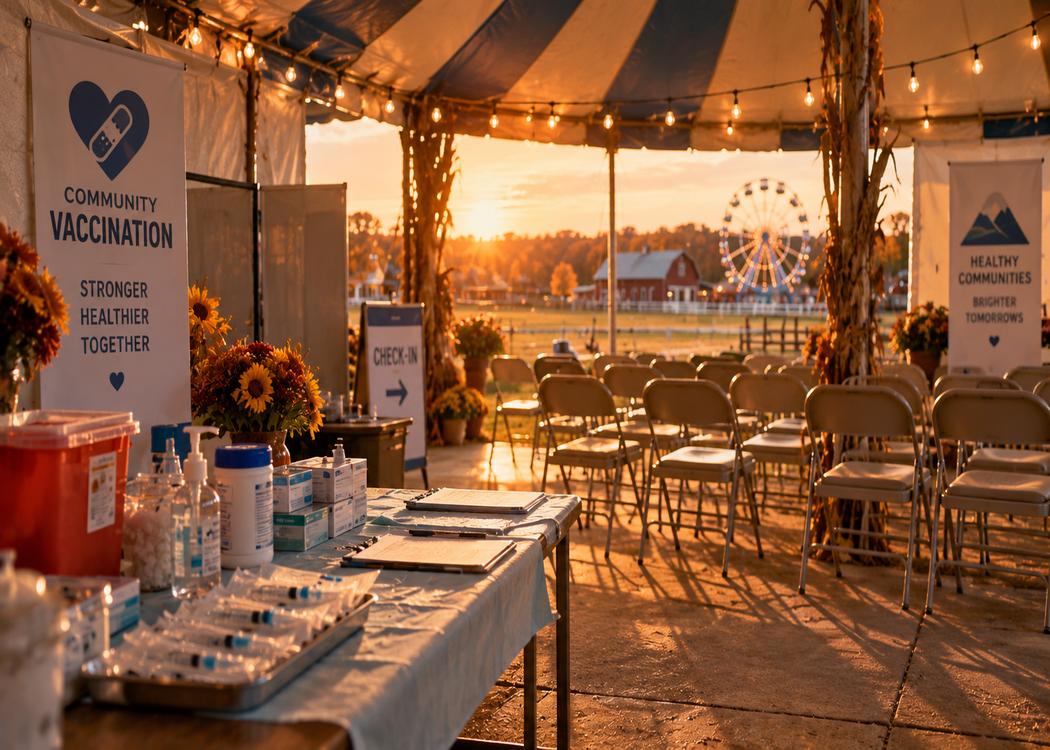
Pennsylvania has expanded vaccination outreach through community partnerships and pop-up clinics. Providers administered more than 53,000 measles, mumps and rubella vaccine doses statewide in September, exceeding twice the approximately 25,000 doses given in a typical month. The updated figure is higher than the 38,000 cited in earlier material.
Measles spreads through the air and can move rapidly through communities with insufficient immunity. The CDC says two MMR doses are approximately 97% effective at preventing measles. High community vaccination coverage also helps protect people who cannot receive the vaccine.
The immediate challenge is to close immunity gaps while identifying and containing new infections. State and federal totals may differ because agencies update their records on different schedules, making dated figures essential when following the outbreak’s progress.
Sources: