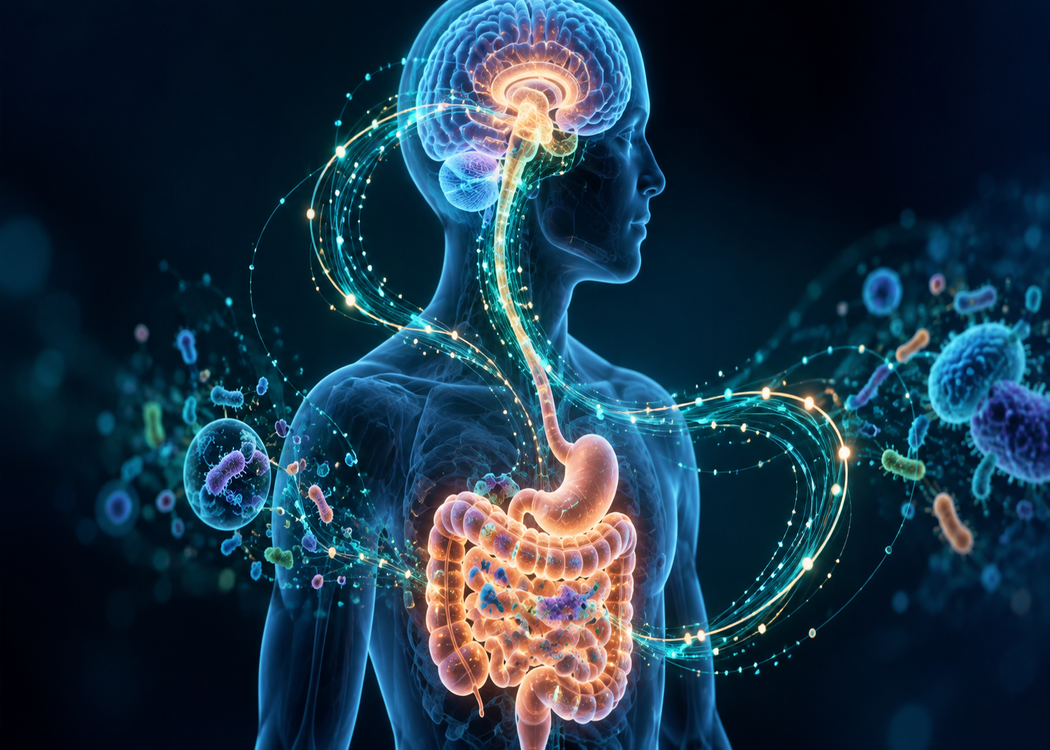
A study combining human observations with laboratory experiments identifies a possible connection between gut microbes and Alzheimer’s-related brain changes.
A compound produced by some gut bacteria has been linked to cognitive decline and biological changes associated with Alzheimer’s disease, offering researchers a potential new target for investigation.
The study, published in Nature Communications on 26 June 2026, examined imidazole propionate, or ImP. Researchers led by University of Wisconsin–Madison scientists analysed blood samples from 1,196 adults without cognitive impairment, alongside cognitive assessments and markers of brain health.
Higher blood levels of ImP were associated with poorer cognitive performance and Alzheimer’s-related biomarkers. Participants with the highest levels also experienced faster cognitive decline over time, according to the university’s account of the findings.
Laboratory experiments helped researchers investigate how the compound might contribute to those changes. Chronic ImP administration worsened Alzheimer’s-like pathology in mice. Experiments also showed effects on the brain’s protective blood-vessel barrier and increased abnormal modification of tau in nerve cells, suggesting possible biological pathways connecting the compound with neurodegeneration.
The human findings establish an association, while the experiments provide evidence of possible mechanisms. Together, they strengthen the case for further investigation, but do not demonstrate that lowering ImP prevents Alzheimer’s disease in people.
The team also identified a genetic variation linked to substantially higher ImP levels. Present in approximately 43% of study participants, it may influence how effectively the kidneys remove the compound from the bloodstream. That explanation remains a proposed mechanism rather than an established clinical finding.
Researchers now want to explore whether reducing circulating ImP could lower dementia risk or slow cognitive decline. The study does not establish an effective ImP-lowering treatment for Alzheimer’s, and potential interventions would require further testing for safety and benefit.
The findings add detail to research on the connection between the gut and brain. By identifying a specific bacterial compound, scientists have a more focused target to examine—and a clearer question to answer: whether changing its production or clearance can meaningfully protect human brain health.
Sources: