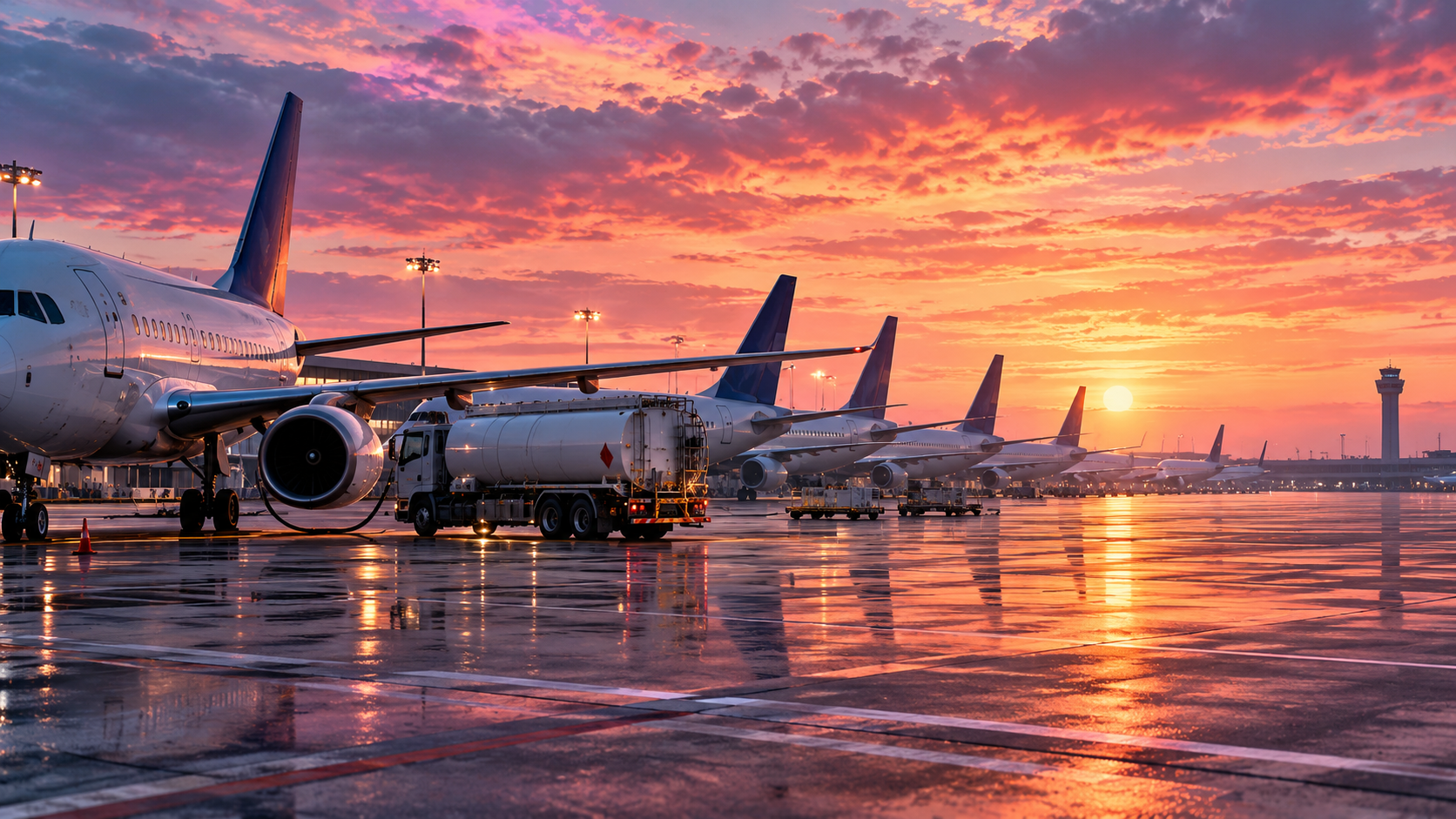
The Iran war’s fuel-price shock is squeezing airline margins, forcing schedule cuts and adding pressure for higher fares.
Global airlines face a sharp decline in profitability in 2026 as soaring fuel costs undermine their finances. In its June outlook, the International Air Transport Association (IATA) forecast combined net profits of $23 billion, down from an estimated $45 billion in 2025, with net profit margins shrinking to just 2%. These figures remain full-year projections.
IATA expects jet fuel to average $152 a barrel, almost 70% above last year’s level. The industry’s total fuel bill is forecast to rise from $252 billion to approximately $350 billion. Disruption linked to the Iran war has increased costs while also complicating flight operations across the Middle East.
For Spirit Airlines, the fuel shock struck an already vulnerable business. The US budget carrier cancelled all flights and began winding down operations on 2 May, saying higher oil prices, other financial pressures and an inability to secure additional funding had made continued operations impossible. Chief executive Dave Davis said the company had reached a restructuring agreement in March, but subsequently needed hundreds of millions of dollars in additional liquidity that it could not obtain.
Spirit had already entered bankruptcy proceedings twice in less than two years. Its closure threatened approximately 17,000 jobs, according to a company lawyer cited by the Associated Press. Fuel costs therefore compounded financial problems that predated the war.
The dismantling of its network continued in July, when JetBlue won an auction for 22 Spirit take-off and landing slots at New York’s LaGuardia Airport, bidding $58.5 million.
Other airlines have responded by reducing services. Lufthansa Group announced in April that it would cut 20,000 short-haul flights through October, while several international carriers trimmed schedules or suspended planned expansion.
Passengers also face pressure on ticket prices. IATA director general Willie Walsh said airlines were recovering some additional costs through fares and efficiency improvements, but were still absorbing part of the increase themselves. Higher ticket prices therefore do not necessarily translate into stronger profits.
The challenge is how long airlines and travellers can absorb the shock. Persistently expensive fuel could leave financially weaker carriers particularly exposed, while passengers face a combination of higher fares and fewer flight options.
Sources