Researchers used machine learning to identify a compound that targets a difficult-to-treat hospital bacterium, with encouraging results in laboratory and animal experiments.
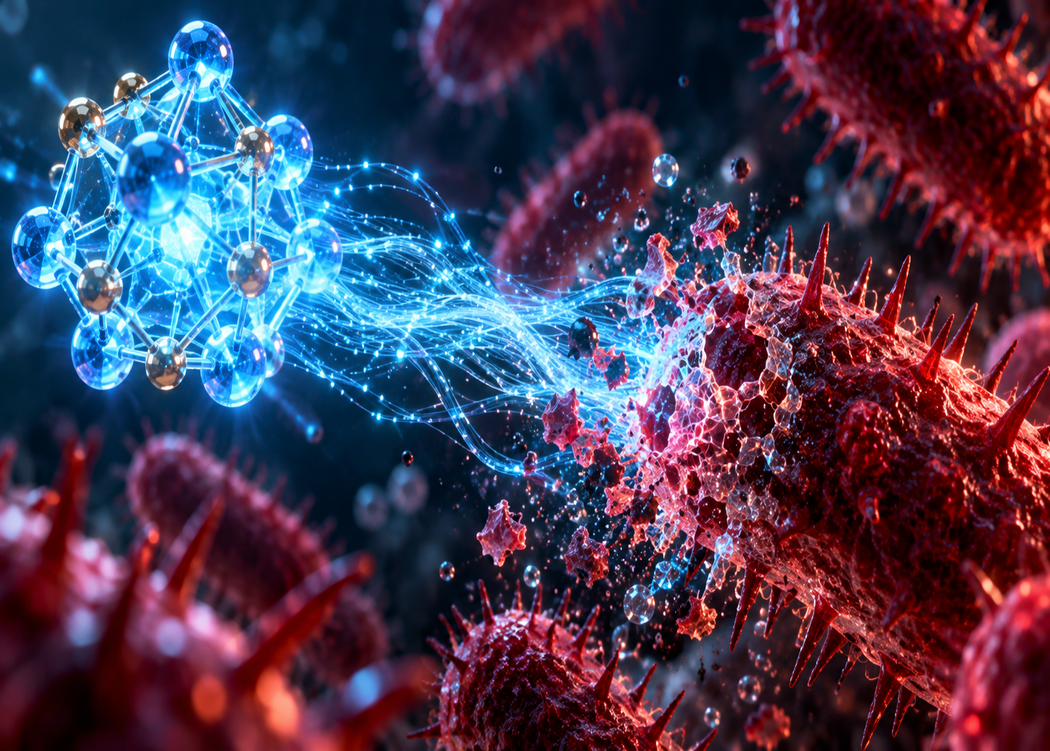
Researchers at MIT and McMaster University used artificial intelligence to identify abaucin, an experimental antibiotic compound active against Acinetobacter baumannii. Their findings, published in Nature Chemical Biology in May 2023, demonstrated how computational screening can help researchers identify promising antibacterial candidates.
The bacterium is associated with hospital-acquired infections and frequently develops resistance to multiple antibiotics. That makes it a challenging target for drug discovery and creates an urgent need for additional treatment options.
The researchers first collected laboratory results from approximately 7,500 compounds and used them to train a model to recognise chemical features associated with bacterial growth inhibition. The trained system then assessed 6,680 previously unseen compounds in less than two hours, helping the team select 240 candidates for experimental testing. Abaucin emerged from that process as a particularly promising compound.
Further investigation found that abaucin interferes with lipoprotein trafficking, a process involved in transporting components needed for the bacterial cell envelope. The original study linked this activity to a protein called LolE. Researchers also demonstrated that the compound could control an A. baumannii infection in a mouse wound model.
Its relatively narrow antibacterial activity was another notable finding. Targeting a particular pathogen could potentially reduce disruption to beneficial bacteria, although that possible advantage requires further investigation in patients.
The study did not establish safety or effectiveness in humans. Its results supported further development of a promising candidate, rather than demonstrating a treatment ready for clinical use.
The achievement illustrates how AI can help prioritise compounds for scientists to investigate. Laboratory experiments remain essential for confirming activity, understanding mechanisms and determining whether a computational discovery can eventually become a useful medicine.
Sources: