Samsung Electronics and five affiliates are backing a company focused on the data centres, power systems and networks needed to support AI.
Samsung Electronics and five affiliated companies have committed a combined $1 billion to Helix Digital Infrastructure, expanding the group’s investment in the physical systems supporting artificial intelligence.
Samsung Electronics will provide $500 million, with the remainder coming from Samsung C&T, Samsung SDS, Samsung SDI, Samsung Life Insurance and Samsung Fire & Marine Insurance. The group announced the investment on September 29, 2026.
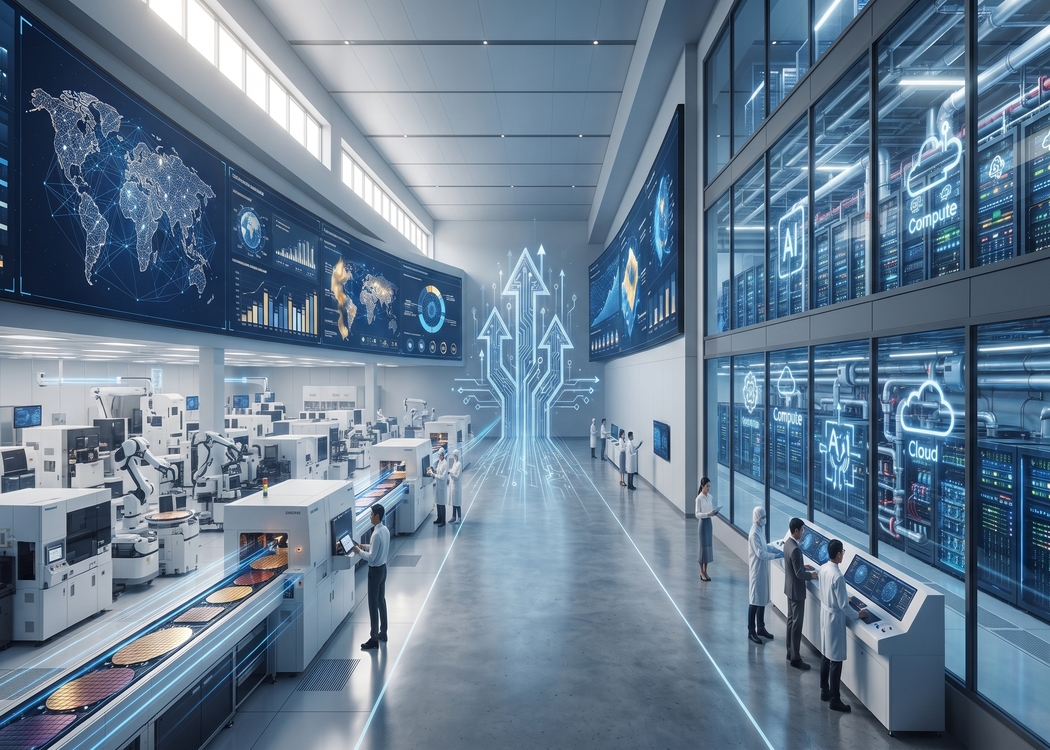
Helix, established by investment firm KKR, aims to deliver infrastructure for hyperscalers—the large technology companies operating extensive computing networks. Its scope includes data centre development and operations, power generation, electricity transmission and distribution, and fibre-optic connectivity. Former Amazon Web Services chief executive Adam Selipsky leads the company.
The investment highlights how the AI buildout extends beyond semiconductor production. Advanced processors require facilities that can supply reliable electricity, remove heat and move substantial amounts of data. Securing those supporting systems is becoming an increasingly important part of deploying AI at scale.
Samsung’s commitment adds to more than $10 billion previously committed to the Helix strategy by founding investors including KKR, the Kuwait Investment Authority, Nvidia and US power company Vistra. The funding represents committed capital, rather than infrastructure already constructed or operating.
The relationship could also create opportunities for industrial cooperation. Helix said it expects to explore Samsung’s capabilities in advanced technology, construction, energy storage and cooling. Combining those capabilities with financing and energy expertise could help the company coordinate projects involving several infrastructure sectors.
For Samsung, the strategic ambition is broader participation in the AI economy. The company described the investment as a step toward extending its role from supplying hardware components to helping develop infrastructure systems. Its announcement emphasized the importance of securing computing capacity and the power needed to operate it together.
That approach addresses a practical difficulty for AI developers: computing equipment delivers little value until the surrounding facility is ready. Construction schedules, power connections, cooling systems and networking must all align before capacity becomes usable.
The involvement of six Samsung businesses also illustrates the range of resources such projects require. AI infrastructure draws on engineering and manufacturing expertise while demanding substantial financing over long development periods.
The next test will be delivery. Capital commitments and partnerships establish the resources for expansion, but their commercial value depends on completing facilities, securing customers and operating reliably. Samsung’s investment strengthens Helix’s funding base as it pursues that work, while giving the Korean group a wider stake in the infrastructure behind AI.
Sources: