Meta is making another attempt to create a major computing platform beyond the smartphone.
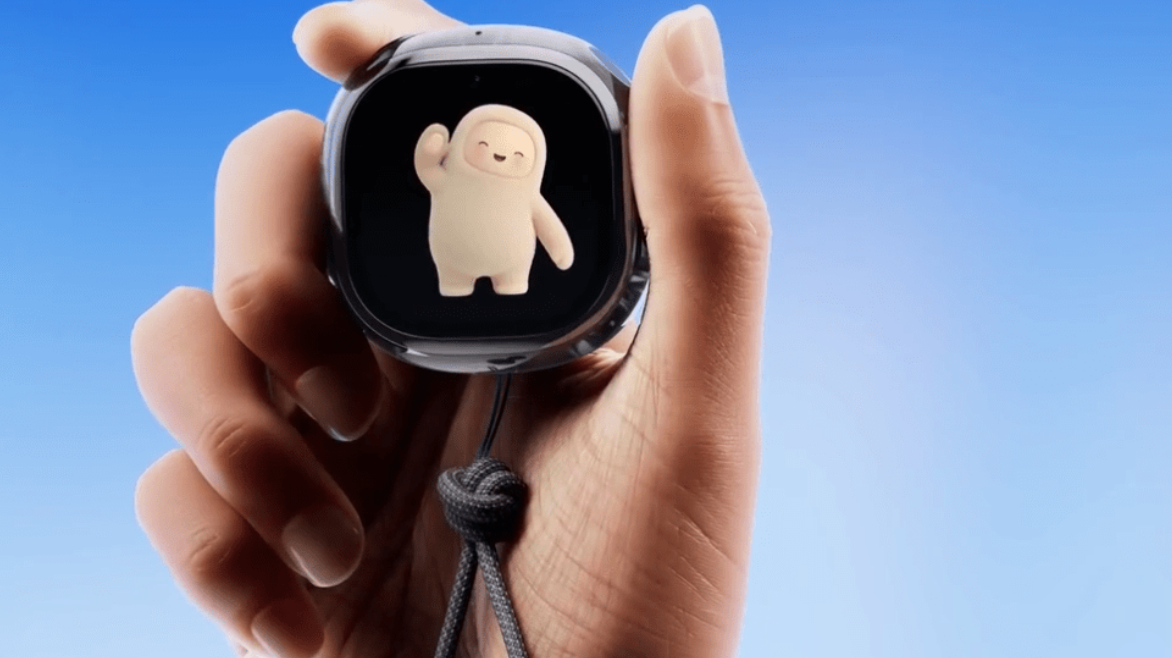
At Connect 2026, the company unveiled Muse Charm, a compact device designed specifically for interacting with its Muse personal AI agent. Meta describes the product as a pocket-sized way to communicate with Muse using real-time voice interaction.
The device is part of a much broader hardware strategy.
Meta is also integrating Muse into AI glasses, allowing users to communicate with the agent without constantly reaching for a phone. The company has expanded Muse’s connections to shopping, travel, productivity and payment services.
The strategic objective is important.
Apple and Google gained enormous power from controlling the smartphone operating systems through which users access digital services. Meta owns some of the world’s largest applications, but it does not control the dominant mobile operating systems.
AI hardware potentially creates another opportunity.
If users eventually interact with digital services primarily by talking to an intelligent agent, the traditional app-based smartphone interface could become less important. A wearable AI device might arrange travel, communicate with businesses or purchase products without requiring users to manually navigate several apps.
There is no guarantee consumers want another dedicated gadget. Previous generations of standalone AI hardware have struggled to establish clear advantages over smartphones.
Meta’s approach therefore connects the hardware to an existing software agent rather than treating the device as an isolated product.
Muse Charm is still early, and Meta says more information will arrive later in 2026.
Its significance lies less in the gadget itself than in Meta’s larger bet: the next major computing interface may be an AI agent rather than an operating system full of apps.