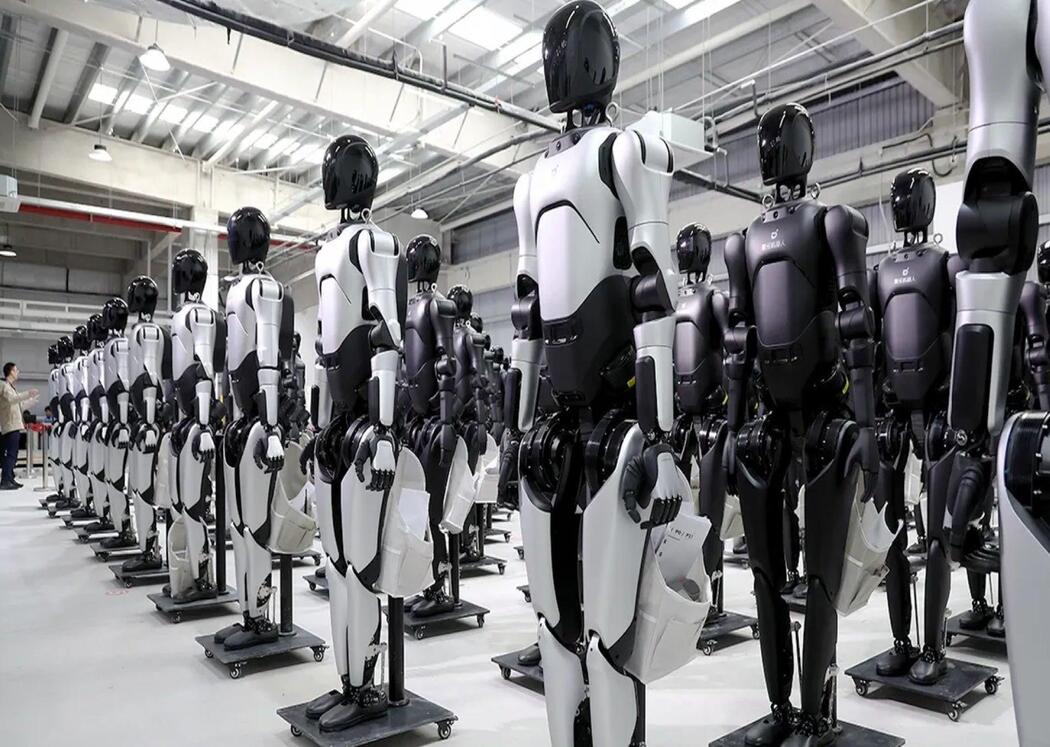
China has become one of the world’s most active markets for humanoid robotics, but regulators are signaling that enthusiasm in the stock market may be moving faster than commercial adoption.
Reuters reported in September that Chinese regulators were slowing some humanoid-robot companies’ attempts to list publicly while examining whether high valuations and revenue connected to state-supported projects accurately reflect genuine commercial demand.
The development highlights an important divide inside the robotics boom.
Technological progress is real. Chinese companies are developing increasingly capable humanoid and quadruped robots, while manufacturers are experimenting with robots in industrial and service environments.
But a successful demonstration is very different from a profitable business.
Humanoid robots must operate reliably for long periods, perform useful tasks at competitive costs and demonstrate that customers are willing to purchase them at scale.
Regulators are reportedly applying informal guidance rather than imposing a formal sector-wide prohibition on listings. One source described humanoid IPOs as effectively frozen temporarily, while another characterized the situation as a sector-specific slowdown.
That distinction matters.
China is not abandoning humanoid robotics. Instead, authorities appear concerned about separating commercially sustainable companies from businesses benefiting mainly from speculative investor enthusiasm.
The situation resembles previous technology cycles in which capital markets attempted to price future industries before their business models were fully established.
Humanoid robotics may eventually become enormous. But before investors can value the sector confidently, companies will need to demonstrate repeatable deployments, genuine customer demand and sustainable unit economics.